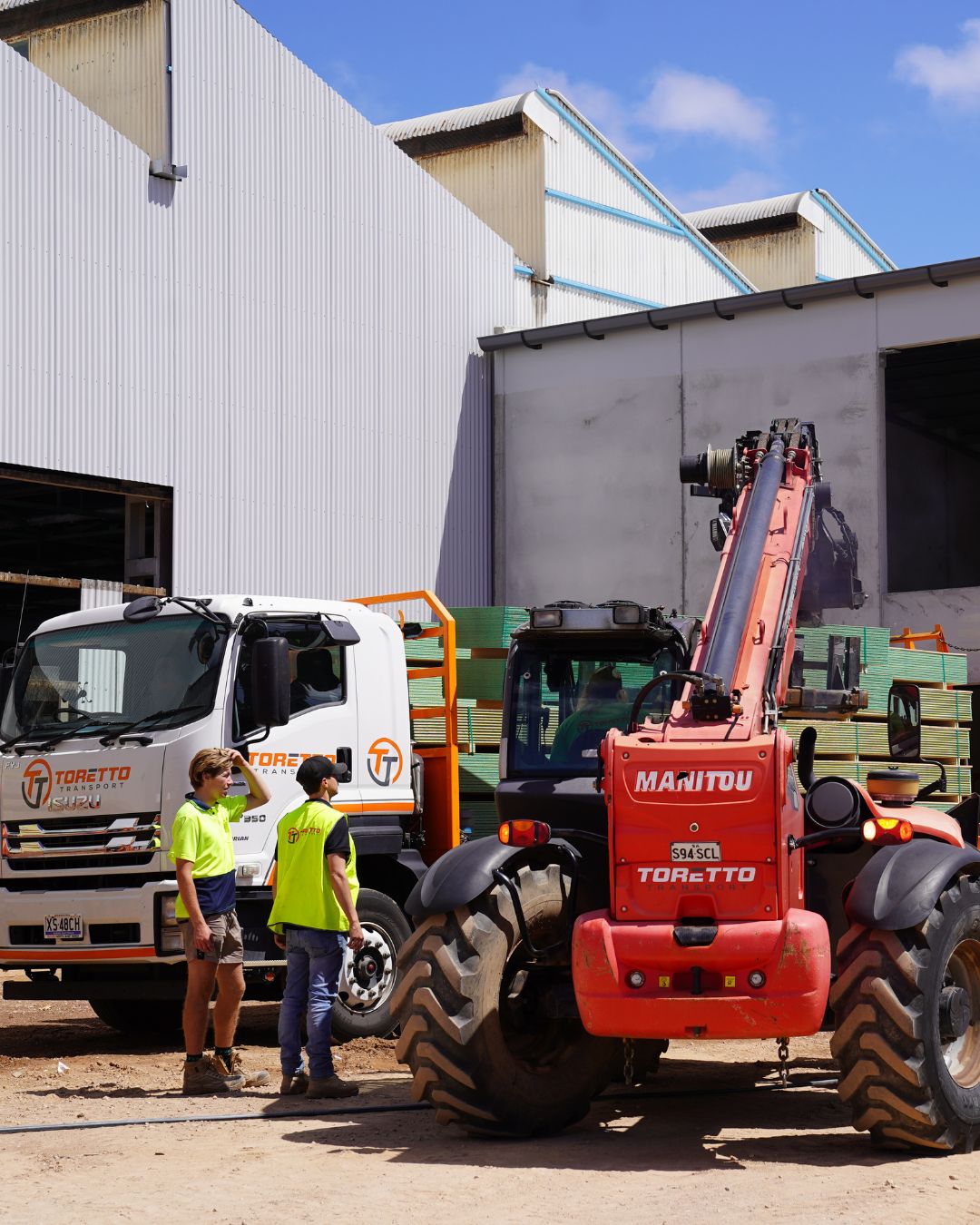
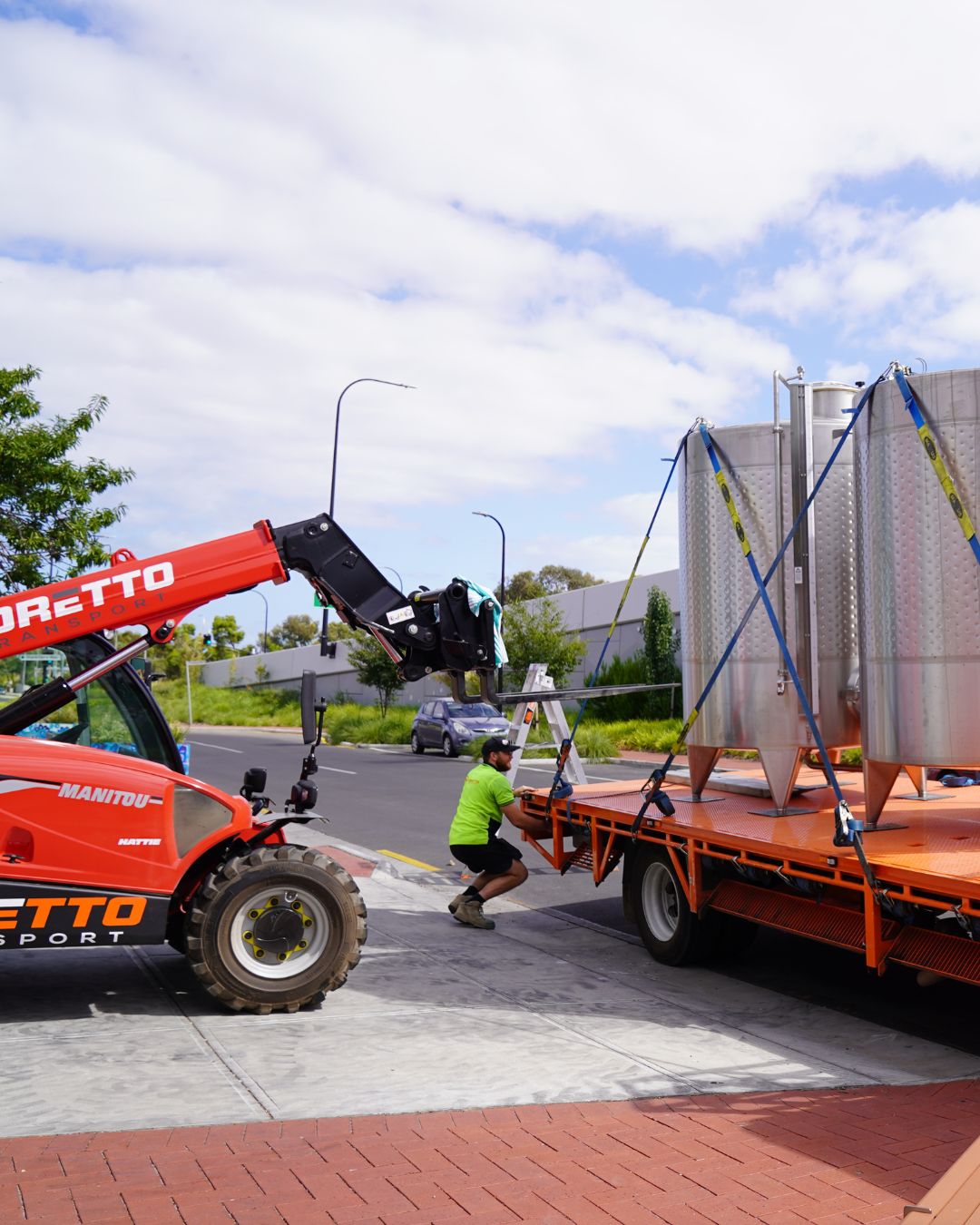
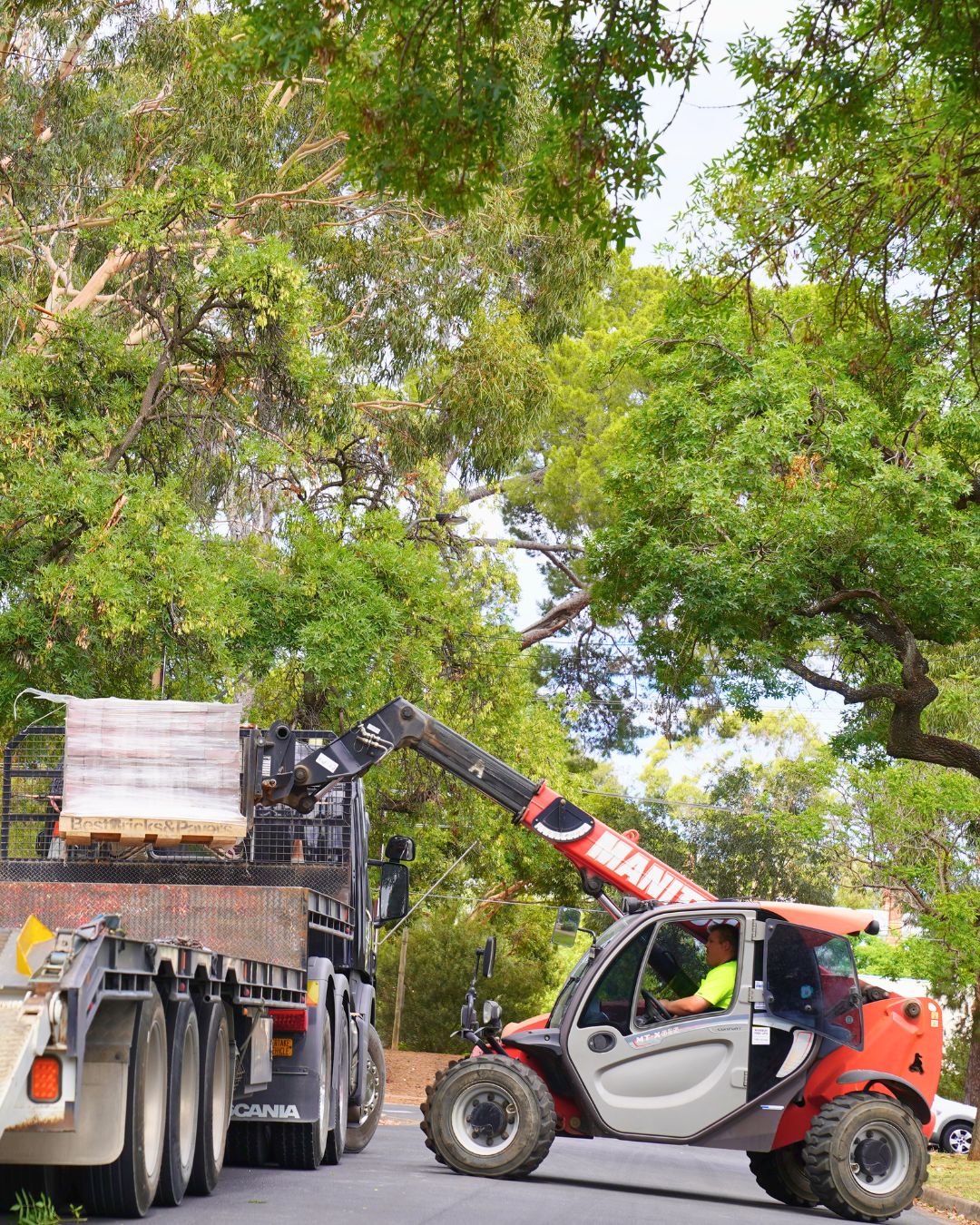
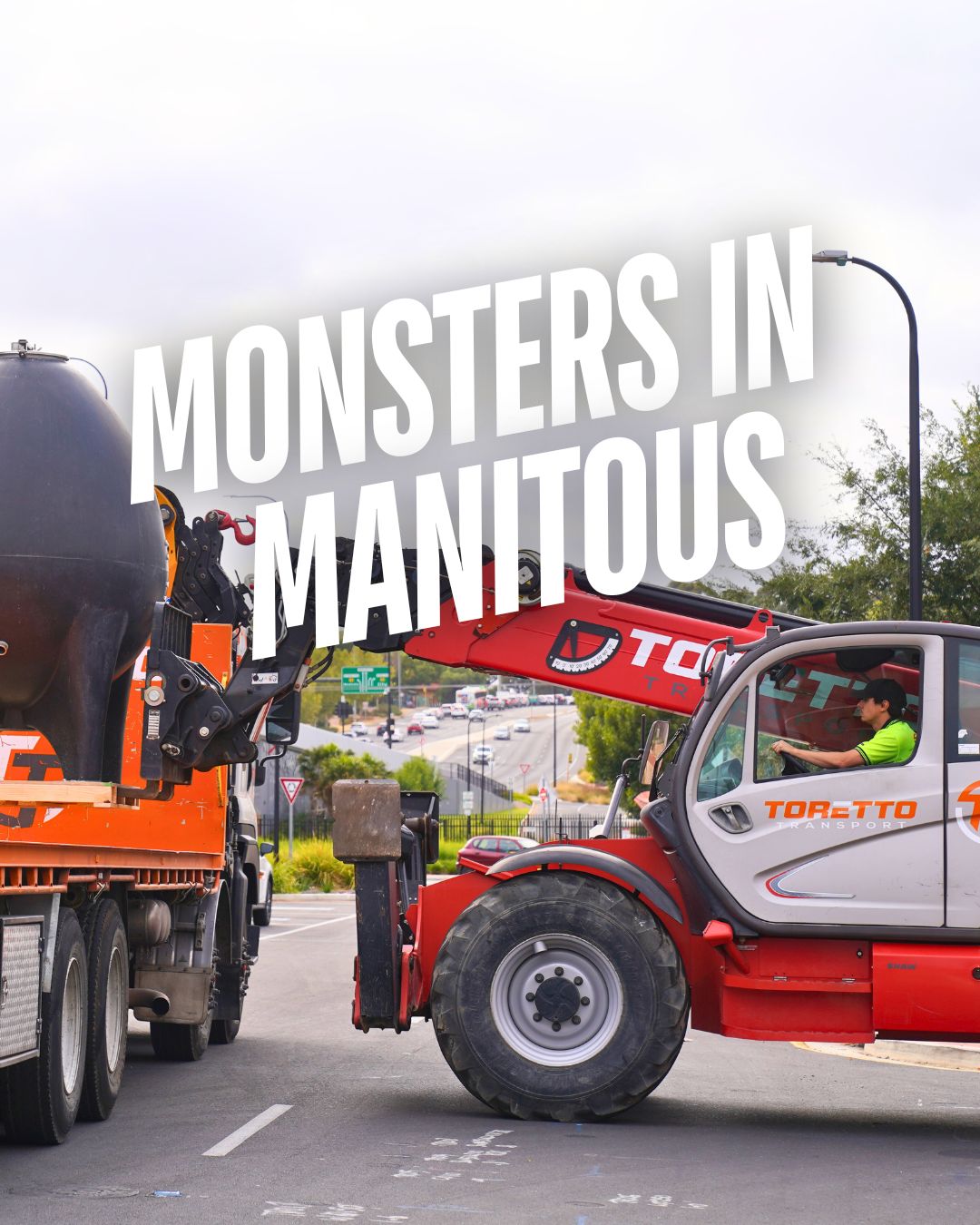
We’ve been operating telehandlers for plasterboard lifts for over nine years. And even now, sometimes it still comes down to trust.
Not blind trust. The kind that only really lands once you see it working on a live site, under real pressure.
A plasterboard contractor called the office recently, asking for a crane delivery. That’s still the default on many sites. Familiar. Proven. Easy to justify.
Emma—our office manager, and someone who understands site realities as well as anyone—suggested something different.
**“The large telehandler will work better here. And it’ll be faster.”**
That suggestion matters more than it sounds. Because right now, the industry isn’t operating with much slack.
In South Australia, building material costs rose around 2.5% in the most recent quarter, well above the national average. Concrete-based products are up more than 5% year-on-year (thanks T2D), labour markets remain tight, and interest rates are holding at 3.60%, limiting any near-term relief on financing.
Margins don’t absorb inefficiency the way they used to. So every decision—how materials arrive, how long a lift takes, how many trades are waiting—counts.
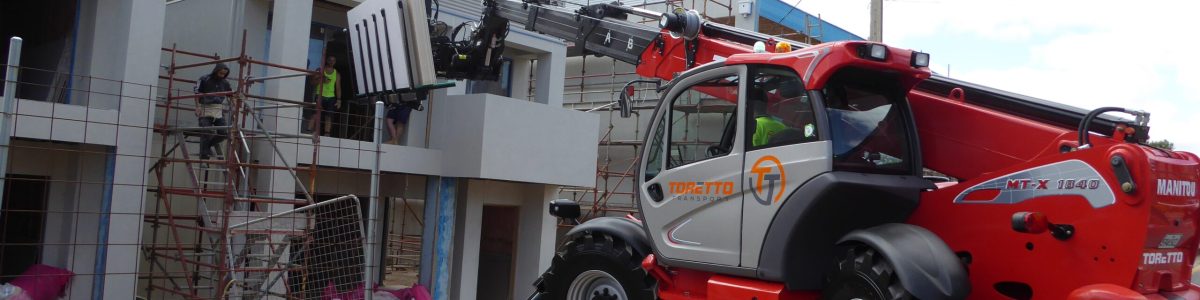
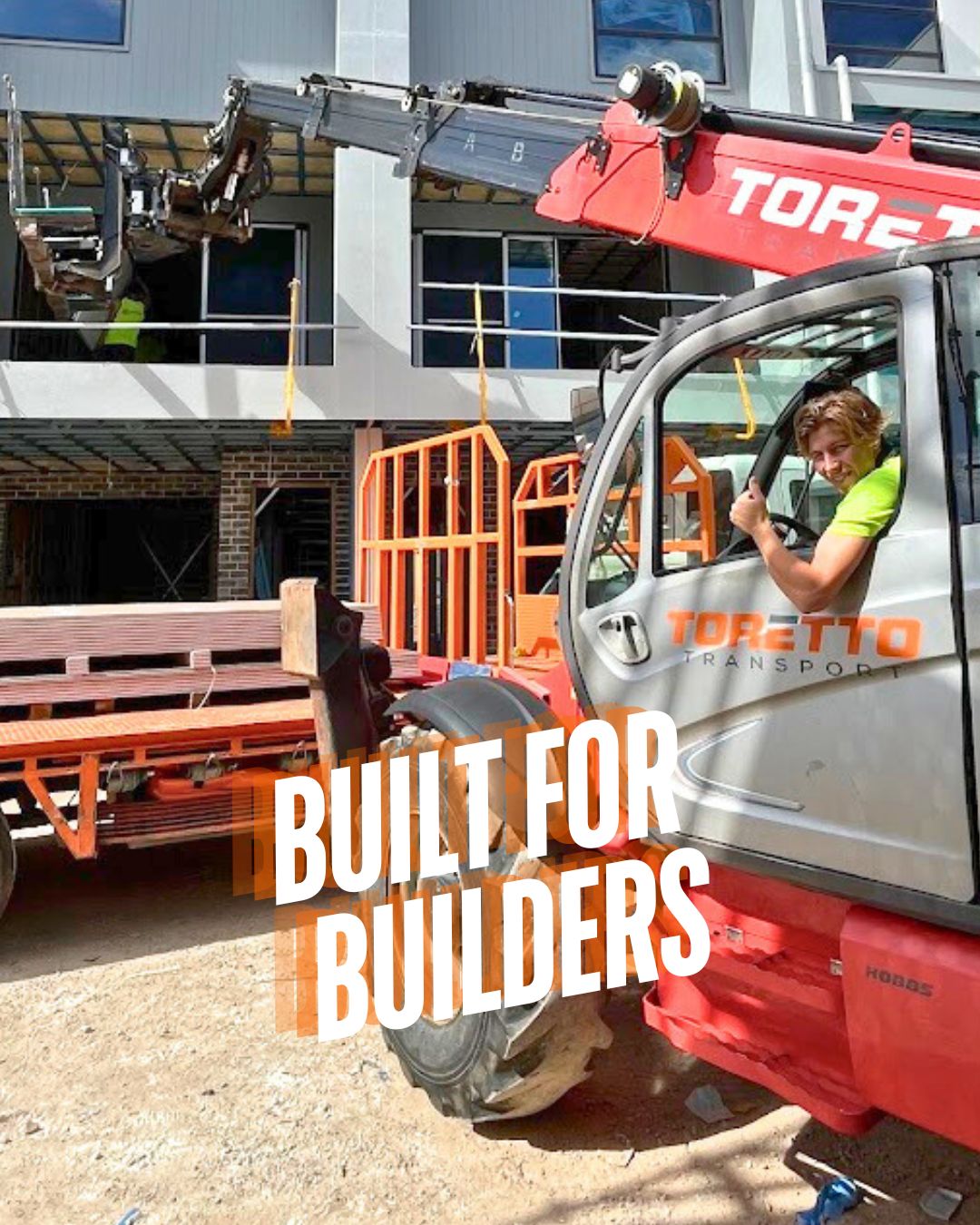
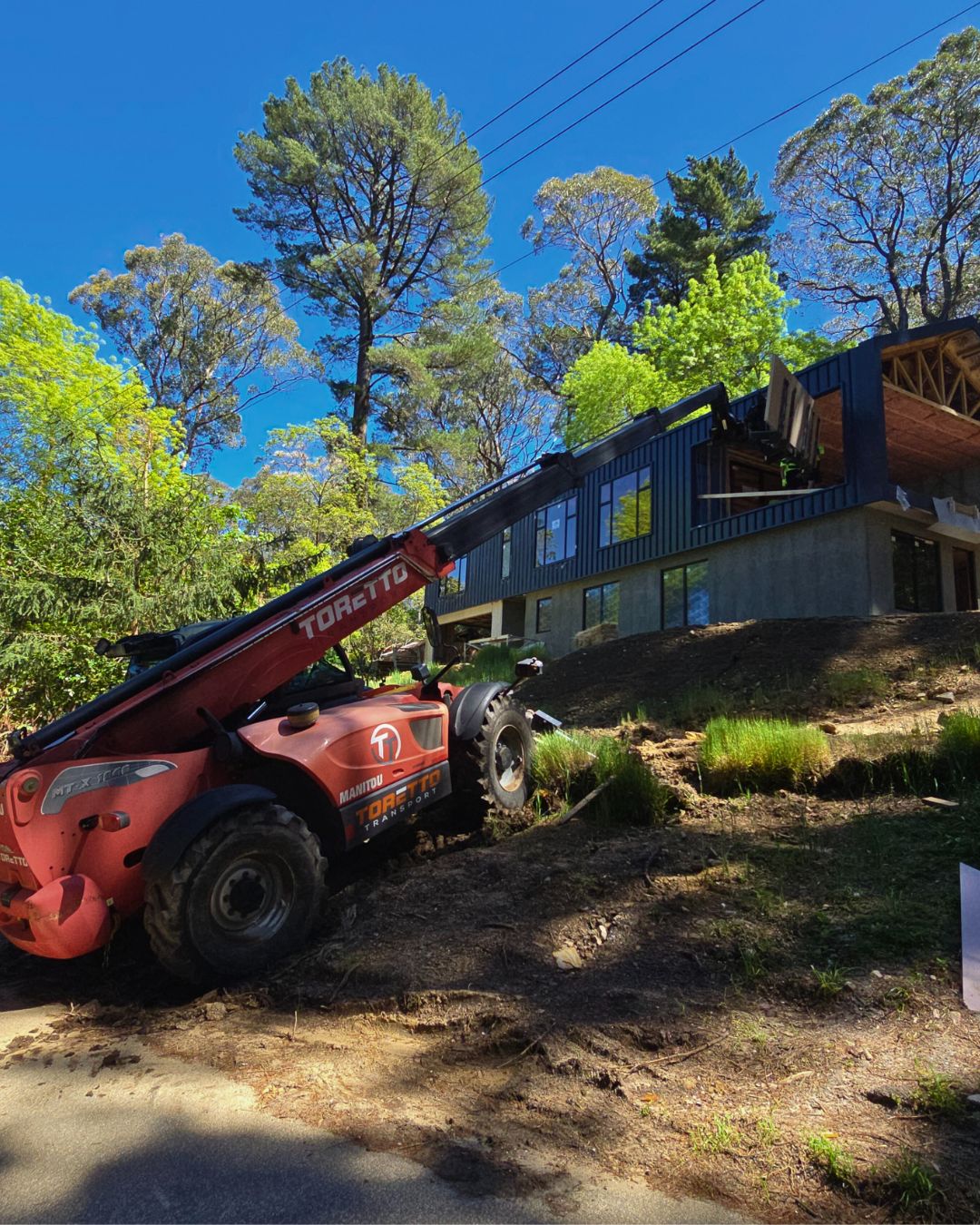
One of our Manitou machines handling a second-story plasterboard drop in Para Hills.
Harry turned up to site with the telehandler. The contractor was sceptical at first. Crane lifts are known quantities. Telehandlers, especially for plasterboard, still raise eyebrows if you haven’t seen one used properly.
Harry walked him through it – our team know what they are talking about!
– The rotating head – The expanding tines – How loads are stabilised – How access works on tighter footprints
Once the contractor saw it working, the mood shifted fast.
– The lift was quicker. – The movement was cleaner. – The workflow stayed intact.
And with a few colourful expletives—the universal language of genuine surprise on a building site—he called it what it was: **“A game changer.”**
He’ll be using it again.
The telehandler isn’t just an alternative to a crane in this context. Often, it’s the better tool.
But machines don’t change outcomes on their own. What makes the difference is:
– An office team confident enough to recommend a smarter option – Operators who understand the job, not just the controls – And customers willing to pause, listen, and see it in action
We’ve been talking about telehandlers for plasterboard lifts for nearly a decade.
Sometimes, though, seeing really is believing. And in an industry where pressure isn’t easing any time soon, belief quickly turns into better decisions—job after job.
*Source: Master Builders Association of SA – Industry Snapshot (Nov 2025), drawing on Australian Bureau of Statistics data and Reserve Bank of Australia monetary policy updates.
One of our Manitou machines handling a second-story plasterboard drop in Para Hills.